20221209F Day -12: Amino Acid I is for Isoleucine (Ile)

20221209F-1312-AustinTX

A week ago, I noticed a feeling of exiting a wormhole and begin writing about it. I hadn’t written since 20210922W Day 631: Holding the Tension between the Head and the Heart and I had some concerns that I would write only a day or two. I don’t remember what led me to blog about amino acids. I think it was a synchronicity. Amino acids had been on my mind because I’ve been engrossed in studying tarot and I had noticed a correspondence between the number of amino acids encoded in the number of cards in the tarot’s major arcana. I knew if I committed to write about each genetically encoded amino acid, then there was a high priority I would write at least 20 posts. Then, to increase the probability of writing daily, I thought of a milestone 20 days in the future and realized that the winter solstice was Dec. 21. The synchronicity was when I realized that there were 20 days until the winter solstice. I use synchronicities as trail markers that let me know I’m “flowing with the stream”. In this case it gave me more confidence that the universe would support me if I write an initial blog post that day on amino acids and continue until the winter solstice.

Confession, I’m writing this post a day late on Saturday. The trip to the ER on Thursday morning put me off my schedule. I hope to catch up this weekend.

I is for Isoleucine. Isoleucine is an isomer of leucine, having the same chemical formula but different structure. Isoleucine is an essential amino acid. It is in the group of branch chain amino acids, which are sold as BCAA supplements. As might be expected, Isoleucine is one nucleotide mutation away from Leucine, with Isoleucine encoded by AUA, AUC, and AUU and Leucine encoded by all codons beginning with CU. Another BCAA, Valine, is also one nucleotide mutation away from Isoleucine, being encoded by all codons beginning with GU. BCAAs, being carbon chains, are good sources of energy in the body and BCAA supplements are sold with the promise of additional energy and to assist with muscle recovery. However, before taking BCAAs, please read “Branched-chain amino acids and muscle protein synthesis in humans: myth or reality?“. One argument made in the paper is that muscles are made up of all amino acids, not just BCAAs, so supplementing only these will not have any positive effect on muscle protein synthesis. A recent article in Men’s Health, “BCAAs Supplements Do a Whole Lot of Nothing“, is consistent with this argument and supports the recommendation to just eat enough protein in your diet so you get all the amino acids you need.

Since my ER visit, I’m more focused on understanding hypertension and also now irregular heart beats. I plan to read the recent paper, The Role of Amino Acids in Endothelial Biology and Function, which has the quote:

Diet, especially the AA composition of dietary proteins, has been shown to play a key role in hypertension.

http://dx.doi.org/10.3390/cells11081372

It looks as if more research in this area is needed.

And related to burning carbons, I burned some carbons Friday night with my first fire spinning. I predict there will be more fire spinning in the post-wormhole universes.

My first fire spinning, with V & Z, Dec. 9, 2022

20221208h Day -13: Amino Acid H is for Histidine (His)

20221207W – After taking a 10mg Lisinopril yesterday afternoon and another 10mg before bed last night, I awoke with a low-for-me BP of 126/84. Dinner last night was steak, potatoes, and red wine. I cooked steak&potatoes and then, synchronistically, my Aunt invited me over for steak&potatoes. The meaning for this for me is alignment. I had pondered being elsewhere and decided to stay home and cook. So, this coincidence of common meals gave me a centered and grounded feeling.

20221208h-1552-AustinTX

H is for L-Histidine, not to be confused with the signaling molecule histamine, which mediates vasodilation and inflammation in response to allergens, such as insect bites or foreign substances. Histamine is formed from the removal of the carboxyl group of Histidine (by HDC). EGCG, a catechin found in green tea, has been shown to inhibit HDC and thereby reduce histamine and inflammation.

Histidine is an essential amino acid with a daily requirement of 8-12 mg/kg of body weight per day in adults. The average diet of Europe, USA and Japan has been reported to be 30-35 mg/kg of body weight per day.

The positively charged imidazole functional group of Histidine is commonly used in enzyme catalyzed reactions. It can serve as a base or an acid, acting as a proton buffer. Histidine is also important in stabilizing folded structures of proteins.

Histidine is encoded by the codons CAC and CAU. Histidine is often found in metal binding sites of proteins. In these cases, it is sometimes replaced by Cysteine (codons UGC and UGU), which by looking at the PAM250 substitution matrix, it seems to most often get there via Tyrosine (codons UAC and UAU).

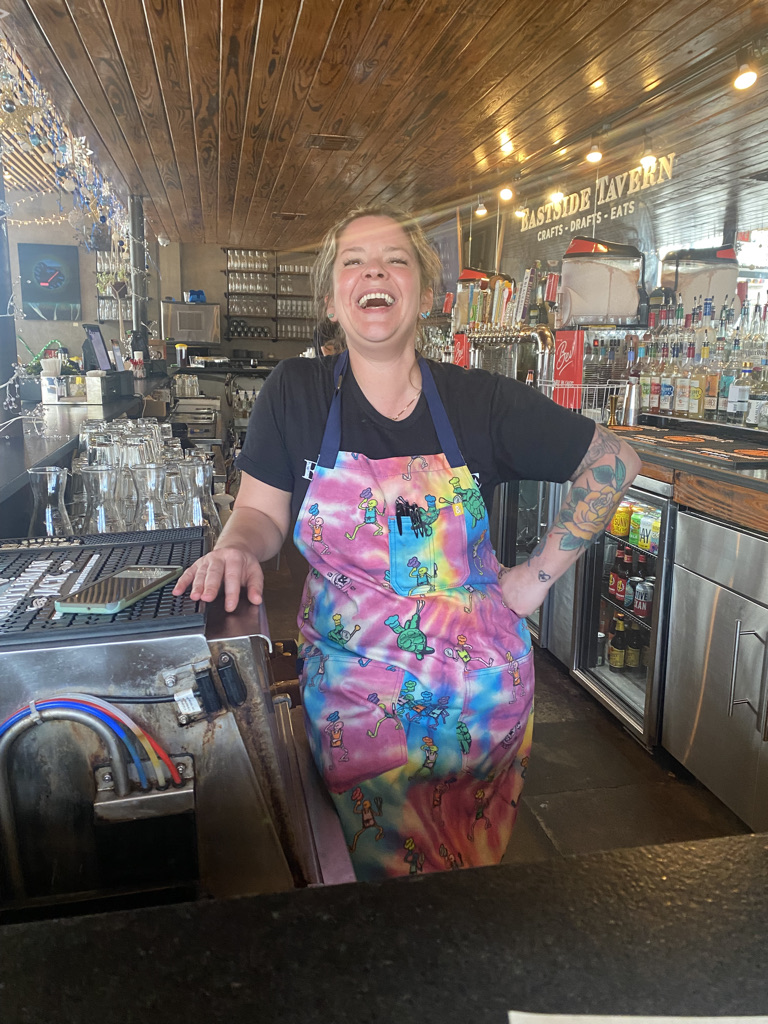
20221208h-1644 I just got back from eating with my Aunt V. We went to Eastside Tavern which has quite a bit of Christmas decoration up. The arugula salad with salmon was my choice, cooked by Morgan wearing a birthday gift apron from Hedley and Bennett.

Amazing Cook Morgan at Eastside Tavern, Austin, TX – Dec. 8, 2022

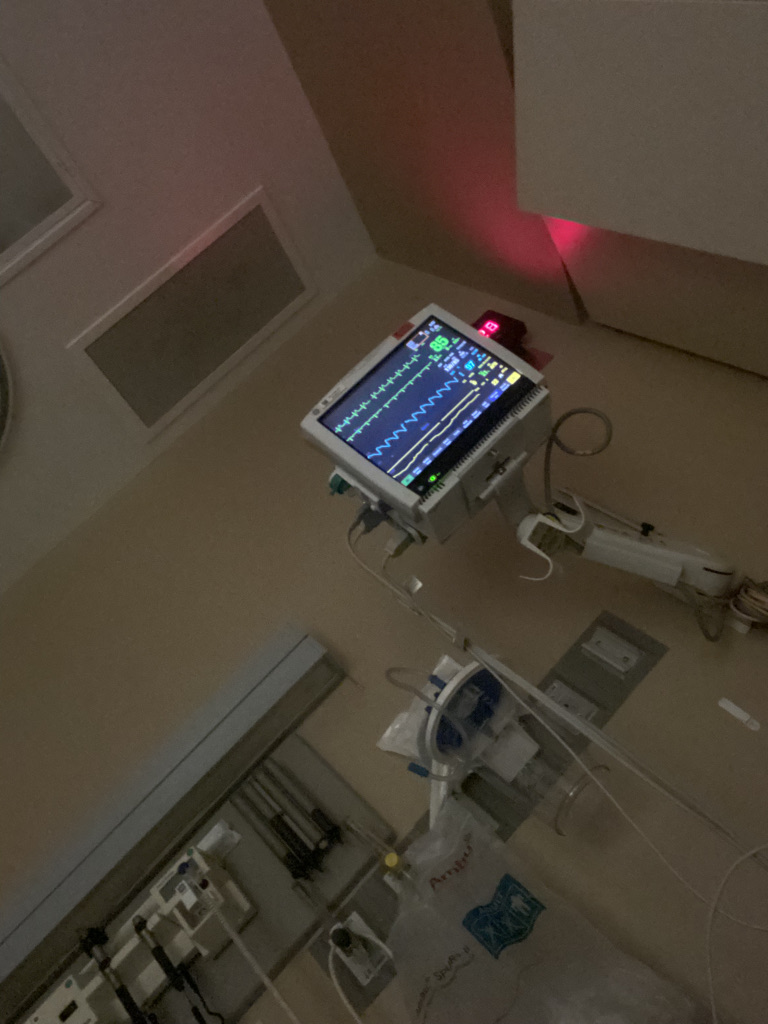
I had just woken up from sleeping all day because last night I spent from 3am onward in the ER after developing a rapid 160bpm heart rate around 2am.

My view this morning from room at St. David’s ER – Dec. 8, 2022

I also talked to my Mom today and found out her best friend’s husband passed yesterday from heart issues.

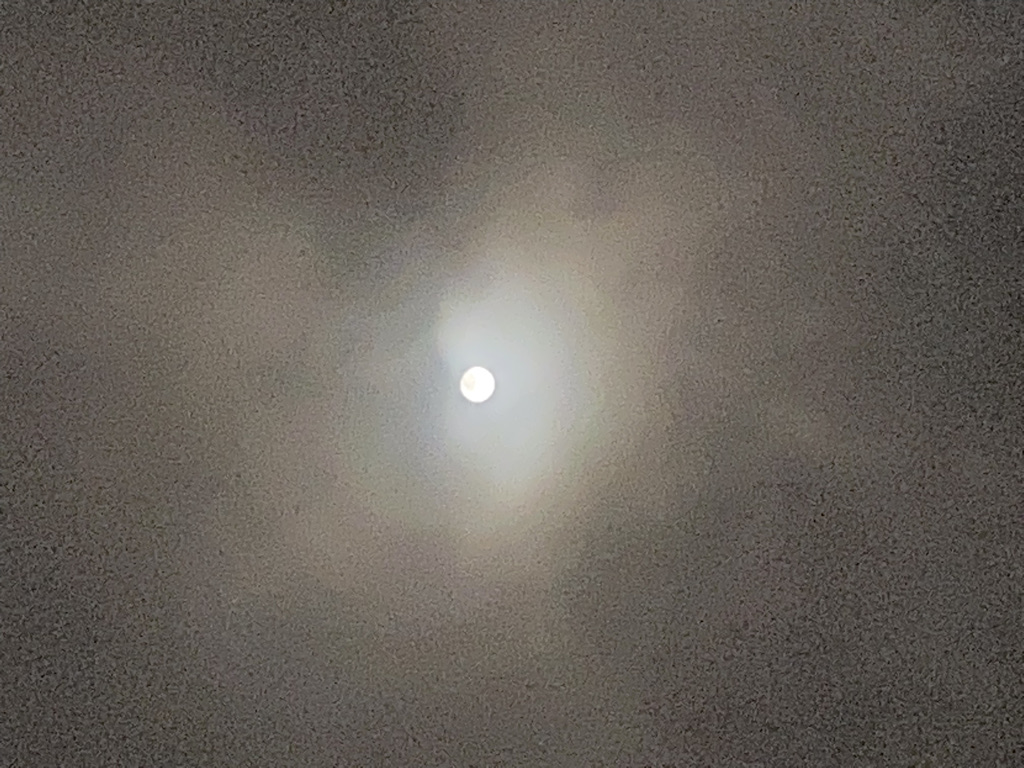
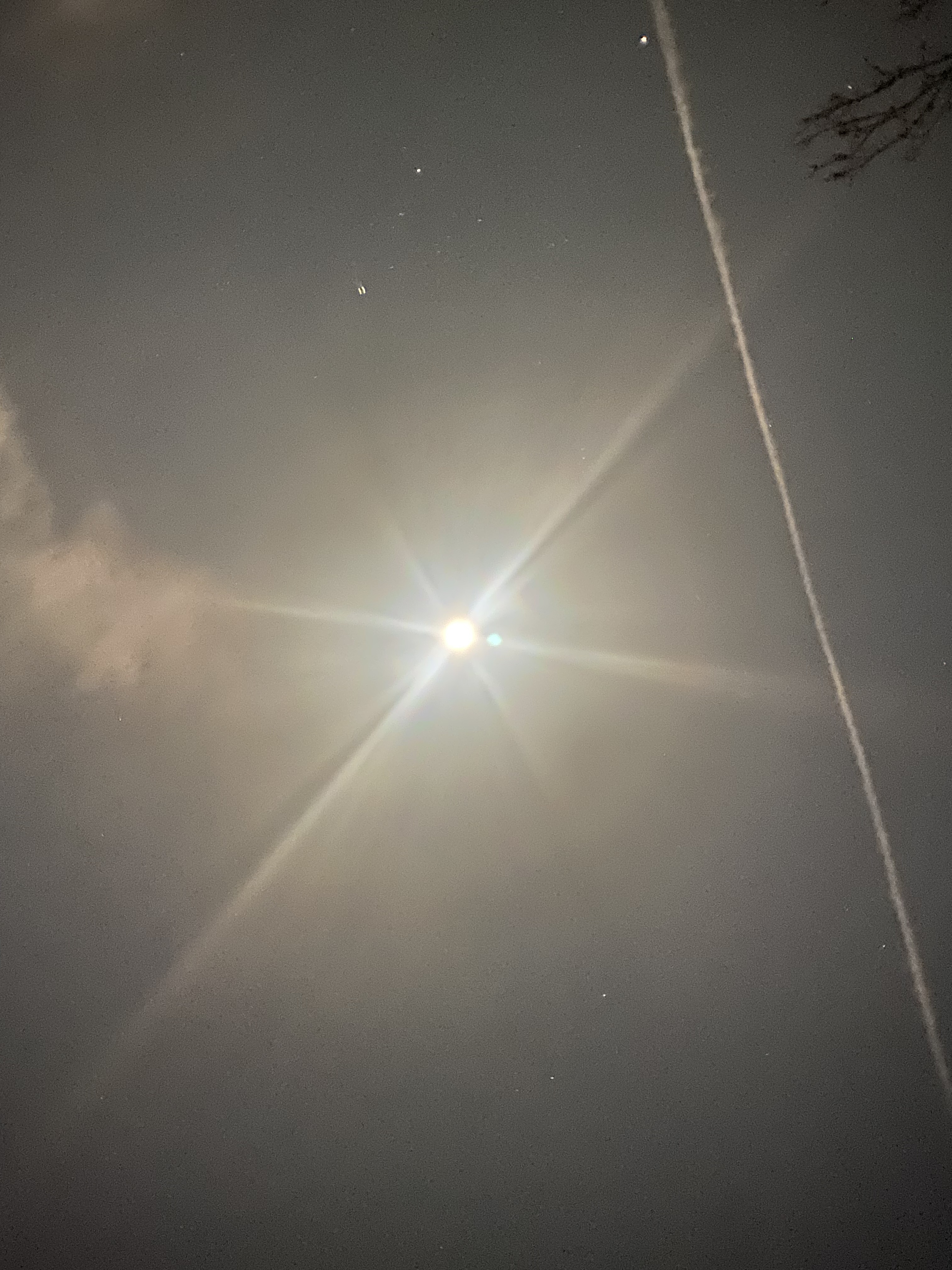
In other news, Mars played hide-n-seek with the Moon last night.

Mars hides behind the Moon over MB’s Full Moon Music around the Fire Party – Dec. 7, 2022

20221207W Day -14: Amino Acid G is for Glycine (Gly)

20221207W-0751-AustinTX-Café Crème

G is for Glycine. Glycine is the simplest proteinogenic amino acid and the simplest stable amino acid. It has no side chain (having only a hydrogen where the side chain would be). It is encoded by all the codons that start with GG (GGA, GGC, GGG, and GGU). How synchronistic that G is for Glycine and G is also for Guanine, the only nucleotide of the first two positions of the codons encoding Glycine. The absence of a side chain makes Glycine the only achiral proteinogenic amino acid, with all others having L-chirality.

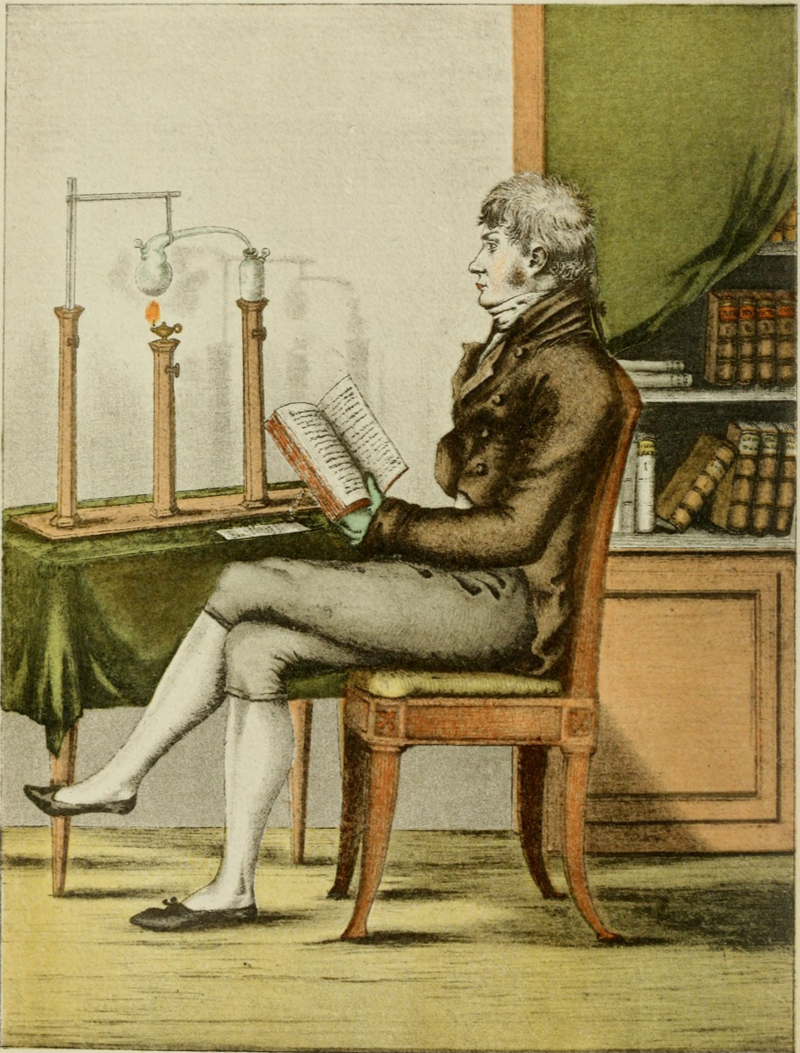
Glycine was named by the Swedish chemist Berzelius, who discovered the element selenium (in 1817) and also cerium (in 1803). He also discovered how to isolate silicon in 1824, which the entire computer chip industry is dependent upon for silicon wafers. He coined the term “protein” in 1838, meaning “of the first rank”, because proteins were fundamental to living organisms. Berzelius also developed a system of chemical notation (e.g. H2O, FE2O3) still used today with the only difference being that Berzelius used superscripts instead of subscripts.

Illustration of Berzelius published 1903 ( https://commons.wikimedia.org/w/index.php?curid=10962423)

Glycine makes up a third of collagen, which is the main structural protein the the extracellular matrix in various connective tissues. Collagen is the most abundant protein in mammals, making up 1/4th to 1/3rd of the whole-body protein content.

Glycine is also an inhibitory neurotransmitter in the central nervous system.

The best food sources for Glycine are red meat, seeds, turkey, chicken, pork, peanuts, caned salmon, granola, quinoa, hard cheese, pasta, soybeans, bread, almonds, eggs, and beans. Also, Gelatin being cooked collagen, it is quite high in Glycine.

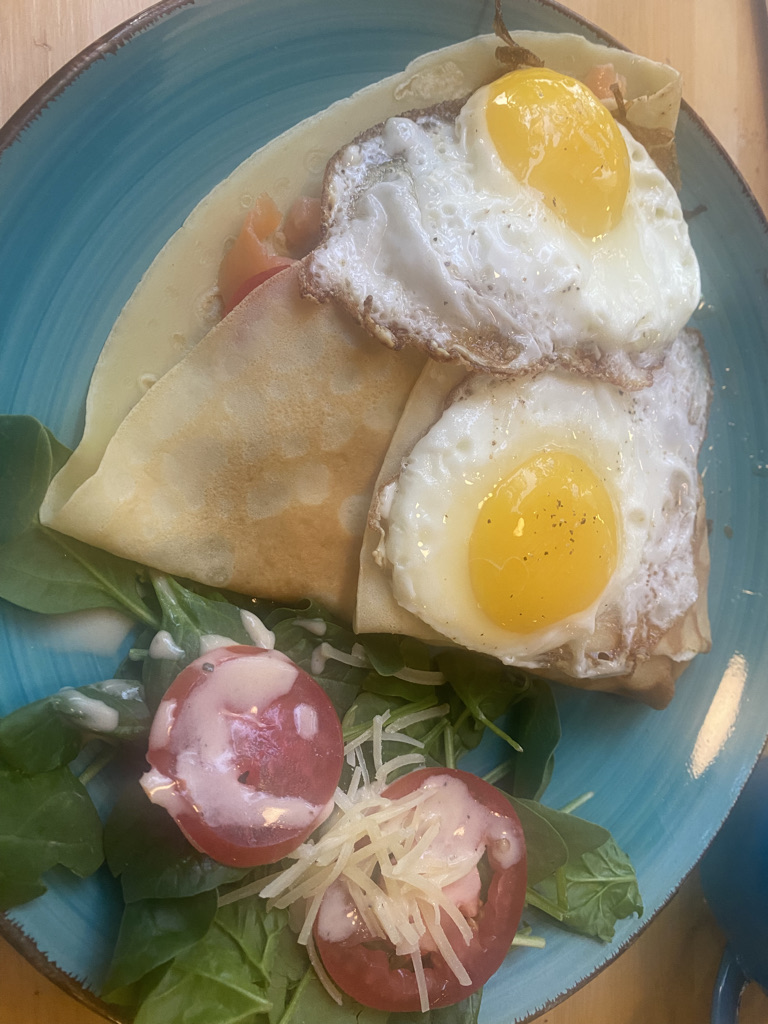
It’s now time for some Glycine here at Café Crème…

Nova Scotia with Smoked Salmon, Honey Mustard, Spinach, Tomato, Onion, Capers, and Fried Eggs – Café Crème, Austin, Texas, Dec. 7, 2022

20221206T Day -15: Amino Acid F is for Phenylalanine (Phe)

20221206T-1652-AustinTX

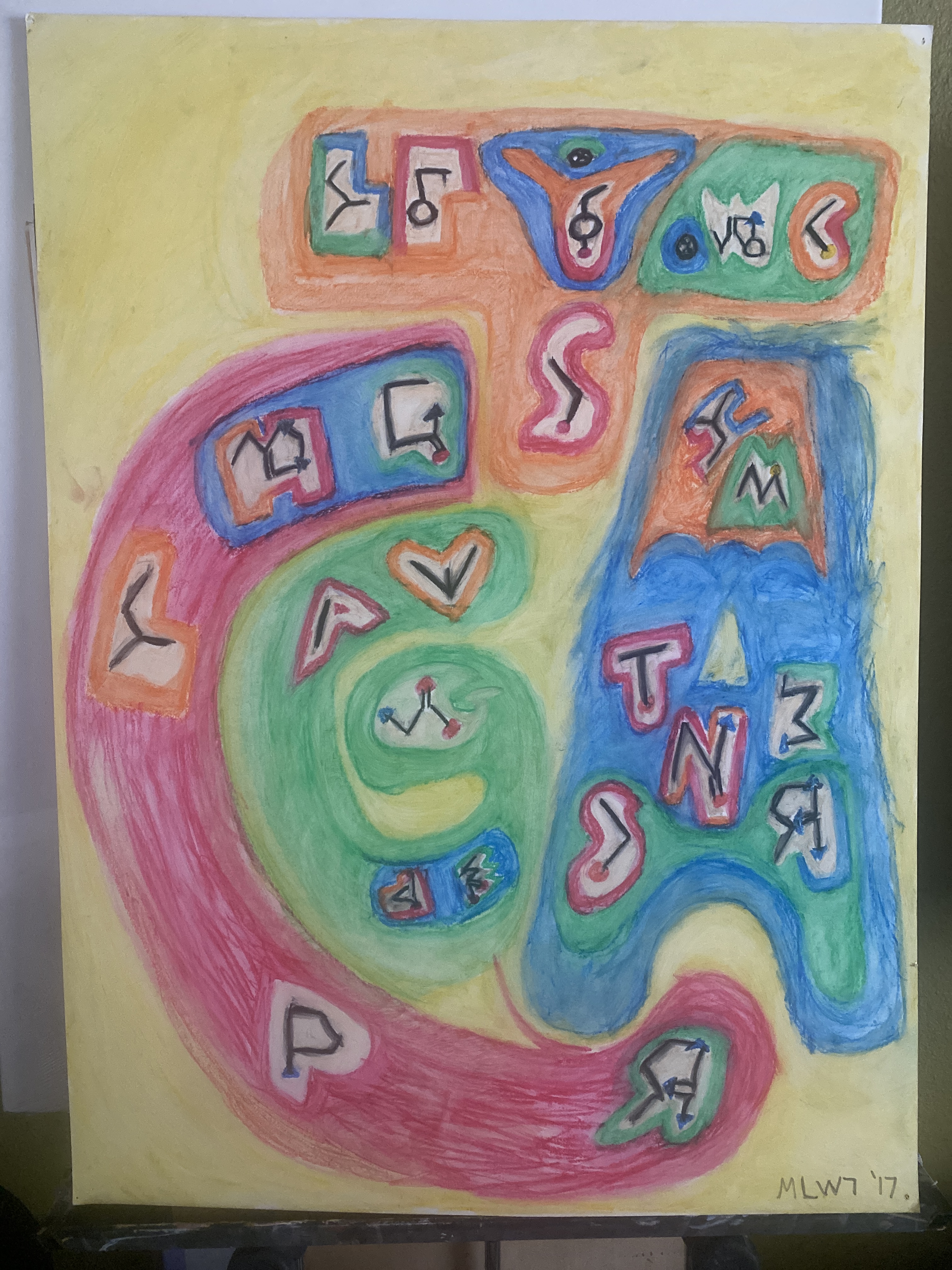
I painted this at my Aunt’s place one memorable night after eating a large chocolate brownie with vanilla ice cream. It’s a larger copy of a drawing I made in grad school.

Over 5 years ago, I painted an interpretation of the genetic code using symbols for the amino acids that I created to help me memorize the amino acid residues. Today, I drew these symbols again with a few modifications and different versions.

Doodling Amino Acid Symbols for Glycine, Alanine, Valine, Isoleucine, Leucine, Methionine, Phenylalanine, Tryosine, and Tryptophan – Dec. 6, 2022

Doodling Amino Acid Symbols for Serine, Threonine, Asparagine, Glutamine, Cysteine, and Proline – Dec. 6, 2022

Doodling Amino Acid Symbols for Aspartate, Glutamate, Arginine, Histidine, and Lysine – Dec. 6, 2022

F is for Phenylalanine, which is named after it’s structure of Alanine with a Phenyl group attached. Phenyl is derived from “pheno”, which means “I bear light” in Greek. Phenylalanine assists in the production of two important neurotransmitters, norepinephrine and dopamine, through an intermediate amino acid Tyrosine. Because norepinephrine has antidepressant properties, Phenylalanine is theorized to treat depression. An estimated 1 in 15,000 people have PKU, a rare genetic disorder resulting in a non or poorly functioning enzyme used to convert Phenylalanine to Tyrosine. This results in a reduction of norepinephrine and dopamine and a buildup of Phenylalanine. Individuals with PKU need to avoid Phenylalanine, which is most easily done by avoiding protein-rich foods such as meat, nuts, milk, cheese, and grains bread/pasta. Also, the artificial sweetener aspartame found in Equal and NutraSweet breaks down into Phenylalanine (and Aspartate).

Phenylalanine also stimulates the production of melanin, the pigment that gives color to skin, eyes, and hair.

Humans are not able to synthesize Phenylalanine and must get it from foods. High sources of Phenylalanine are found in the following foods, in priority order: powdered milk, hard cheese, soy, veal, lamb, chicken, pig, cod fish, oats, eggs, bread, rice, cow milk, and mushrooms. For reference, hard cheese has 10 times the Phenylalanine per gram than mushrooms.

Phenylalanine is encoded by the codons UUU and UUC. Notice that these codons are one mutation away from the codons UAU and UAC which encode the metabolically related amino acid Tyrosine.

20221205M Day -16: Amino Acid E is Glutamate (Glu)

20221205M-1471-AustinTX

Me: “How can I help?”

Z: “Can you do the dishes?”

… Four hours later, I got to the dishes. In the mean time, we pulled out all the under sink plumbing we could to find the source of the clog that was stopping up the sink. Each piece of plumbing had some nasty black mold. We got in all cleaned out and put back together.

Meanwhile my post on Glutamate is waiting until now. I wondered if Glutamate and mold were related and a quick search showed that they were. According to online sources, mold releases mycotoxins that cause oxidative stress and glutathione (a tripeptide of Glutamate, Cysteine, and Glycine) helps to counteract this effect through it’s antioxidant function. These sources seem to base their claims on papers like “Deficient Glutathione in the Pathophysiology of Mycotoxin-Related Illness” (doi: 10.3390/toxins6020608).

E is for Glutamate. Glutamate-Glu is encoded by the codons GAA and GAG. Glutamate is the principal excitatory neurotransmitter in the central nervous system and the most abundant free amino acid in the brain. Research has shown that Glutamate plays a role in depression (“Glutamate and depression: Reflecting a deepening knowledge of the gut and brain effects of a ubiquitous molecule“.

It is also of interest to me that Glutamate “may be the key blood pressure-lowering component of vegetables.” One theory is this is due to the role Glutamate plays in cardiovascular regulation in the central nervous system. However, take note of Monosodium glutamate (MSG), the sodium salt of glutamic acid used a common flavor enhancer. MSG contains 78% glutamic acid and 21% sodium. It has been shown to increase blood pressure, perhaps by increasing oxidative stress.

Just an image from tonight