
2025-0115W-0001 Austin, TX
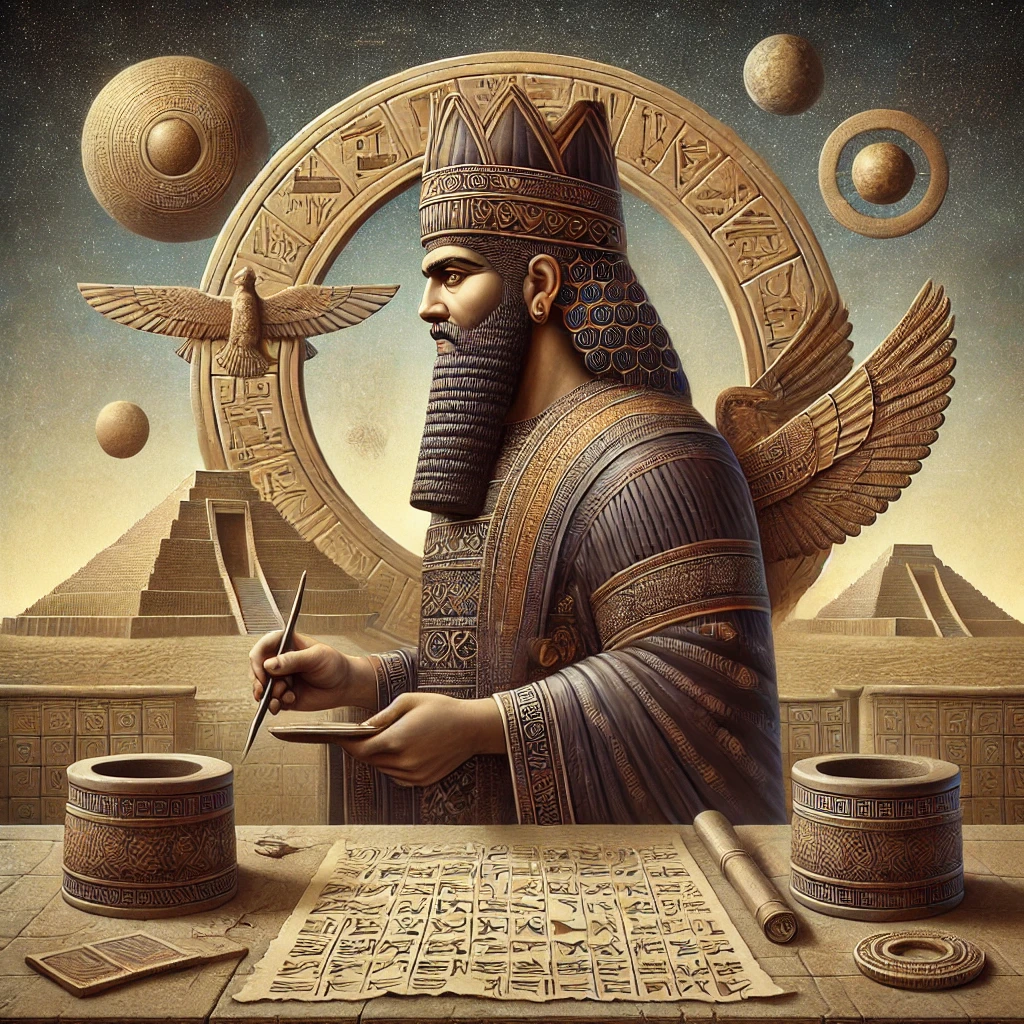
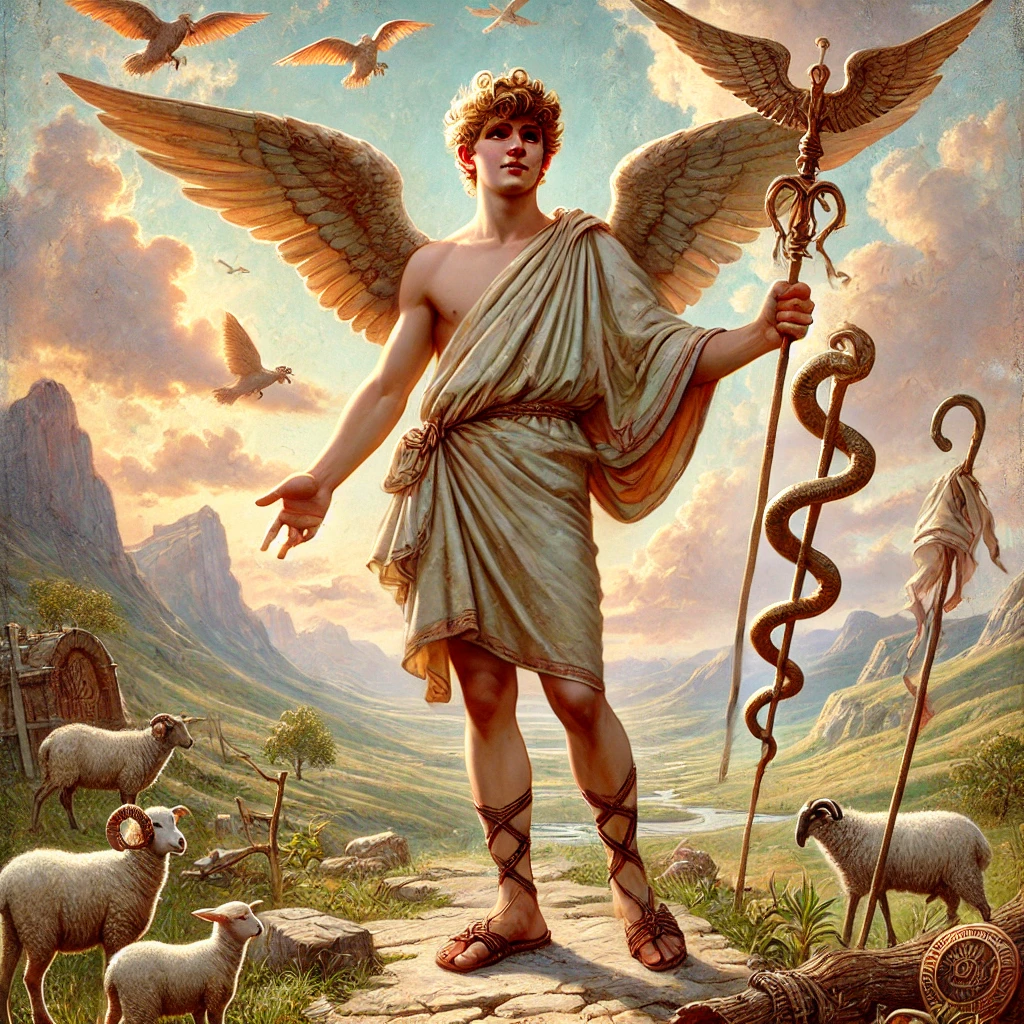
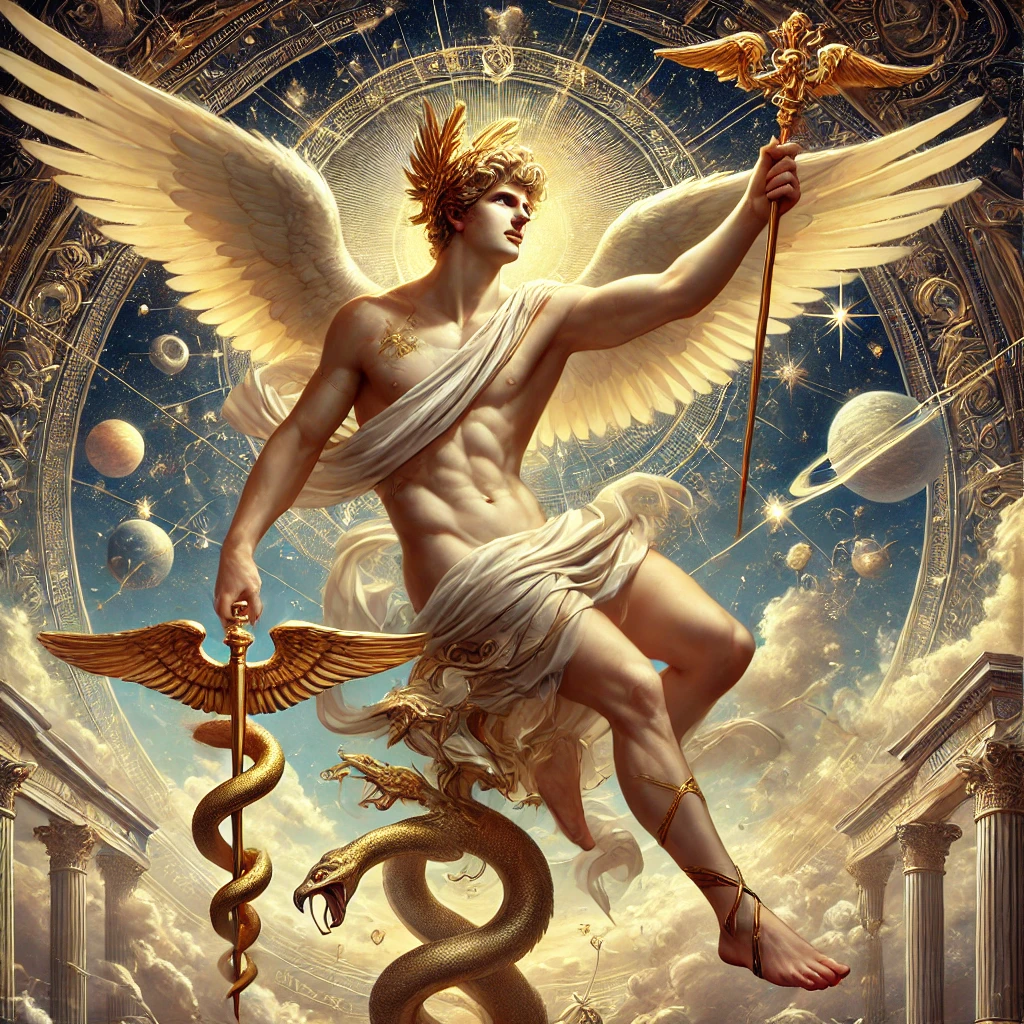
Day 15 of 2025 is a Wednesday, from Woden’s Day in Old English (Wōdnesdæg). The Romance languages are closer to the Latin Dies Mercurii (Mercredi, Mercoledì, Miércoles). The Romans adopted much of Greek mythology and their god Mercury was inspired by the Greek god Hermes. In Greek tradition around the year 975 BCE, Wednesday was called Heméra Hermú (Ημέρα Ερμή), meaning Day of Hermes. The Greeks adopted the seven-day week and linked their own gods to the planetary system inherited from the Babylonians. In the year 1975 BCE, the deity associated with the planet Mercury by the Babylonians was called Nabu. Nabu was the god of writing, wisdom, and scribes. Below are ChatGPT-generated images of these different deities.


Seven thousand years ago, the Sumerians inhabited the southern Mesopotamia region. The year was 4975 BCE. Around this time, the Eridu Temple was celebrating its 500 year anniversary as the birthplace of organized religion in Mesopotamia. The temple was primarily dedicated to the deity Enki, the god of water, wisdom, and creation. The temple was carefully oriented along the cardinal directions, with the main entrance facing east towards the rising Sun.
The people who lived here during this time before the Sumerians are known as the Ubaid peoples. The Ubaid Period (c. 6500-4000 BCE) represents the formative stage of Mesopotamian civilization. These people developed irrigation agriculture, built temple structures, and practiced religious rituals. The created utilitarian, handcrafted pottery with geometric patterns printed in dark brown or black on light greenish or buff clay. Their pottery style was traded over a large area. They left no written records. Their villages were composed of rectangular, multi-room houses built from mudbrick. The houses had flat roofs and central courtyards. They used clay tokens shaped to represent various commodities. They made distinctive anthropomorphic figurines, usually female, with exaggerated features like elongated heads or prominent hips.
It is unclear whether or not the Ubaid people used a base-60 counting system. Their lack of writing makes it difficult to determine whether they or the Sumerians developed a base-60 system. With their clay tokens it seems quite obvious that they counted. As an agricultural community, knowing when to plant and harvest would be important. So, counting the number of moon cycles in a solar cycle would be known. There are 12 full moon cycles in one year. 12 is an important number in ancient and current cultures. Finger counting with three segments per finger and four fingers leads naturally to 12. Using 0, 1, 2, 3, or 4 fingers of the other hand leads naturally to 5 times 12 equals 60. It seems very likely to me that the Ubaid people had at least a base 12 system, if not a base 12*5 system. This would lead naturally to dividing the day into 12 “hours”.

 surfing the universe
2 thoughts on “2025 Day 15: Day of Mercury”